Find a Journaling Style That Supports Mental Health
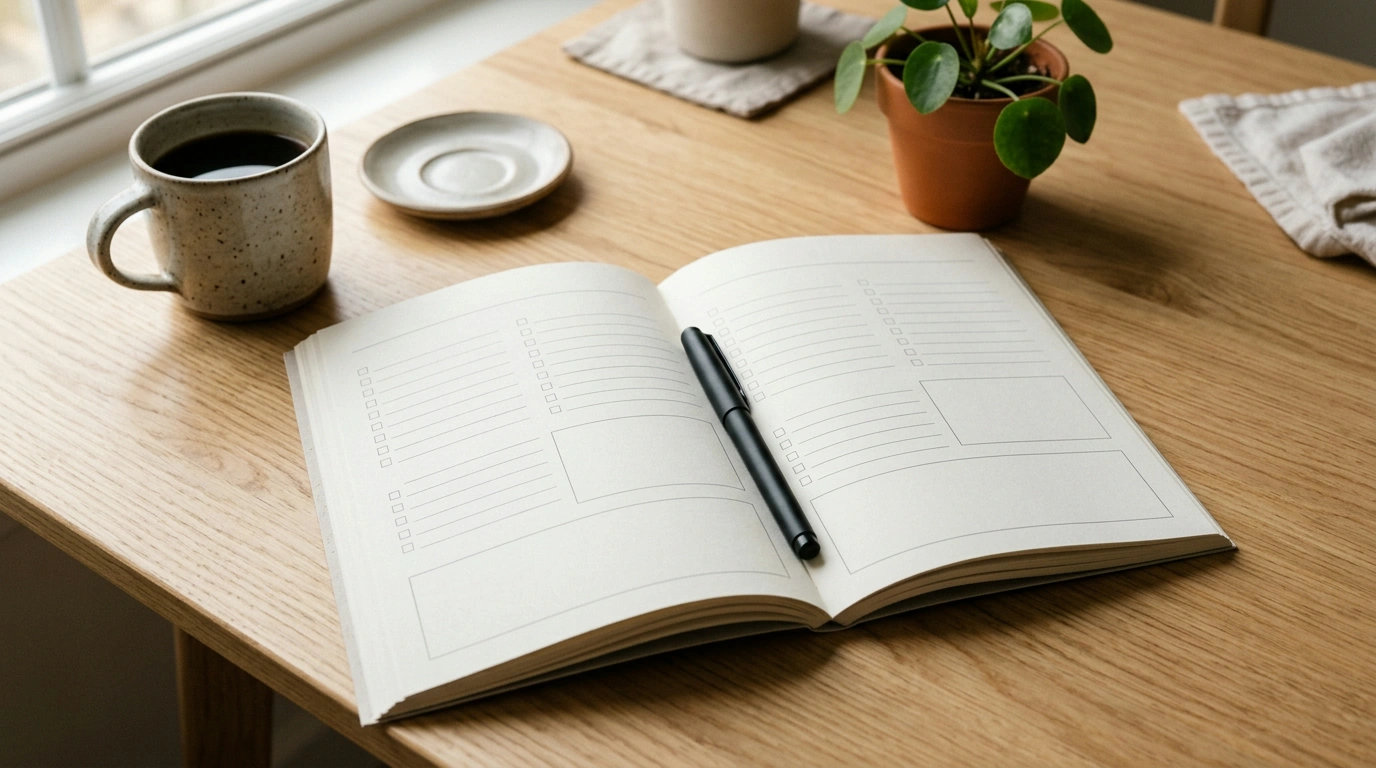
What type of journaling is best for mental health?
There isn’t one journaling style that works best for everyone. The most helpful type is one that feels comfortable, fits your routine, and gives you a constructive way to notice and process your thoughts. For many people, expressive journaling—writing freely about feelings and experiences—is a useful place to start.
You can also choose a style based on what you need that day. A few options include:
- Gratitude journaling: Note a few things you appreciate to bring attention to positive moments.
- Mood tracking: Record your mood alongside sleep, stress, or daily events to spot patterns over time.
- Prompted reflection: Use questions to explore what is bothering you, what you need, or what went well.
- Mindfulness journaling: Describe what you notice in the present moment, such as sensations, thoughts, and surroundings.
How can you tell if a journaling style is helping?
Try writing for five to ten minutes a few times a week, then check in with yourself. You might feel more organized, better able to name an emotion, or clearer about a next step. Journaling doesn’t have to make every feeling disappear to be useful. If writing leaves you feeling overwhelmed, pause, switch to a gentler prompt, or talk with someone you trust.
How do you make journaling a manageable habit?
Keep the process simple. Choose a regular time, use a notebook or digital document, and write without worrying about grammar or length. You can start with “Right now, I’m feeling…” or “One thing I need today is…” If a blank page feels difficult, a guided format may offer helpful structure.
For ideas and a structured way to reflect, visit the Mindful Clarity printable mindfulness journal guide. Treat journaling as a personal support tool, not a replacement for professional care. If distress is persistent or interfering with daily life, consider reaching out to a licensed mental health professional.
FAQ
What to write in a journal for mental health pdf?
Try writing about your current feelings, what may have contributed to them, and what support you need. A printable journal can also include mood check-ins, gratitude prompts, or space to reflect on the day.
What are the 7 different types of journaling?
Common types include expressive, gratitude, bullet, reflective, mindfulness, dream, and travel journaling. These categories can overlap, and you can combine styles to suit your goals.










Leave a comment