Mindful Clarity Printable Journal: Prompts, Gratitude & Quotes
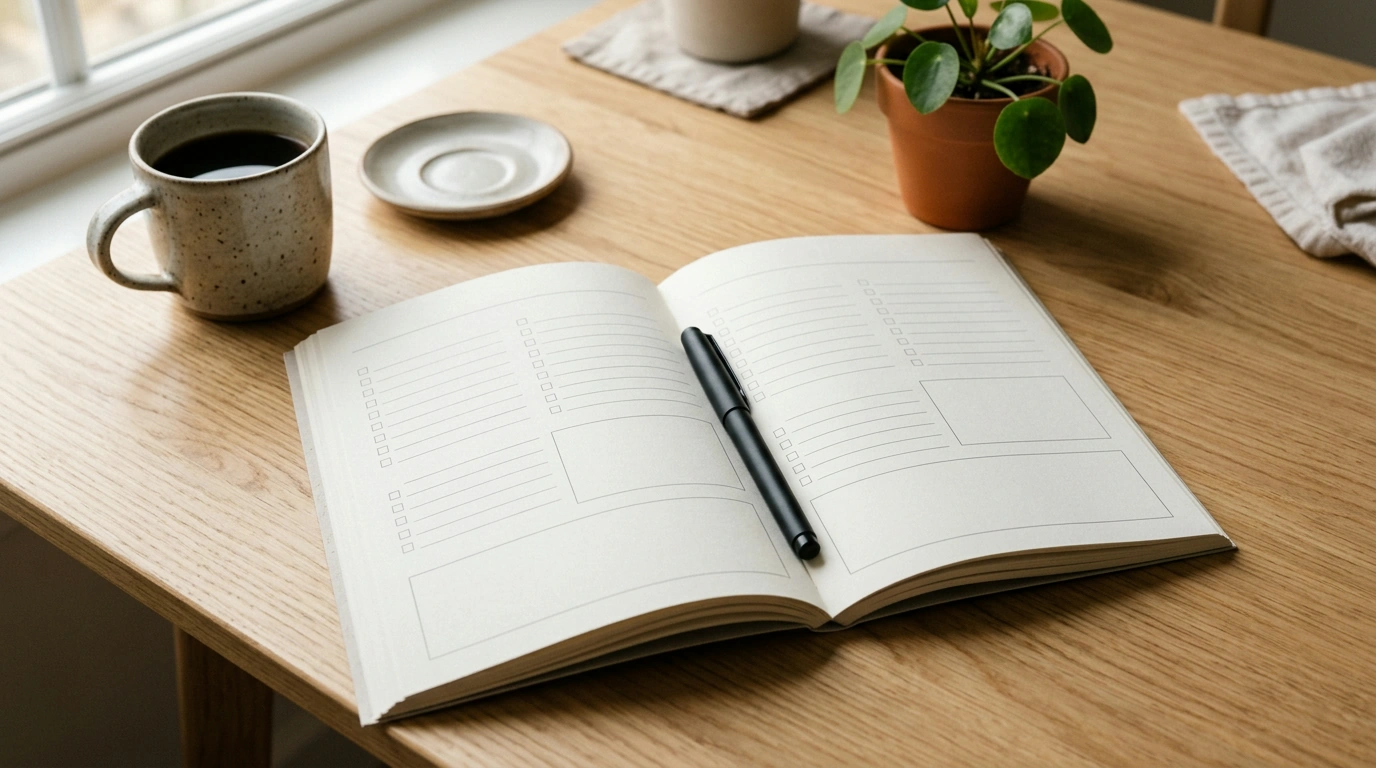
Mindful Clarity: A Printable Journal for Daily Mindfulness, Gratitude, and Reflection
Mental well-being often improves when thoughts are given a calm place to land. A printable journaling routine can make mindfulness more consistent by pairing short daily prompts with gratitude exercises and reflective quotes—simple tools that support focus, emotional regulation, and a clearer sense of priorities. When the page is already structured, it’s easier to begin (and easier to return after a busy week) without needing the “perfect” mood or a long writing session.
What “mindful clarity” looks like in everyday life
- A calmer starting point: noticing thoughts without immediately reacting to them.
- More intentional choices: pausing long enough to name what matters today.
- Reduced mental noise: capturing worries on paper to free attention for the present moment.
- Greater emotional vocabulary: identifying feelings, triggers, and needs with specificity.
- A small, repeatable practice: building consistency through short, realistic sessions.
Mindfulness and gratitude practices are widely discussed for stress support and emotional balance. For a research-backed overview of mindfulness, see the American Psychological Association’s guide to mindfulness meditation and the NIH NCCIH summary on effectiveness and safety.
What’s inside a printable mindfulness journal
- Daily mindfulness prompts: brief questions that guide awareness of breath, body sensations, thoughts, and environment.
- Gratitude exercises: structured space to list meaningful moments, people, and strengths without forcing positivity.
- Reflective quotes: short lines that act as a reset button when motivation or clarity is low.
- Check-in pages: simple scales or checkboxes for mood, stress level, energy, and focus.
- Reflection pages: end-of-week or end-of-month review to notice patterns and celebrate progress.
- Printable format benefits: reprint favorites, keep a portable binder, or place pages in different locations for reminders.
Gratitude doesn’t have to mean “everything is great.” It can be as small as noticing one supportive person, one moment of relief, or one strength you used under pressure. For practical ideas and the science behind gratitude, Greater Good Magazine’s gratitude resources are a helpful starting point.
A 10-minute daily routine that’s easy to keep
- Minute 1: arrive—two slow breaths and a quick body scan (jaw, shoulders, stomach).
- Minutes 2–4: name the present—write what is true right now (facts first, interpretations second).
- Minutes 5–7: gratitude with depth—choose one item and add a sentence on why it mattered.
- Minutes 8–9: clarify one priority—pick a single next step that supports well-being or reduces stress.
- Minute 10: close—write a supportive line to the self; keep it practical and kind.
- Consistency tip: tie journaling to an existing cue (morning drink, lunch break, bedtime).
If ten minutes feels like too much on some days, keep the same structure but do it in three minutes. The value comes from returning—especially when the day isn’t going smoothly.
Examples of daily pages and how to use them
- Mindfulness prompt examples: “What am I avoiding feeling?” “Where is tension living in my body?” “What’s one thing I can do slowly today?”
- Gratitude prompt examples: “What worked today?” “Who helped, directly or indirectly?” “What ability did I use that deserves credit?”
- Reflection prompt examples: “What story am I telling myself?” “What evidence supports a calmer interpretation?” “What boundary would protect my energy?”
- Quote integration: use one line from a quote as a journaling starter; respond with two or three sentences, not a full essay.
- If emotions are intense: write for two minutes only, then switch to grounding (five senses listing) before continuing.
A useful rule: write plainly enough that “future you” can understand it. Clear, simple language often creates more relief than dramatic wording.
Matching prompts to the day you’re having
| Current state | Best page type | Two-minute starter line |
|---|---|---|
| Racing thoughts | Mindfulness check-in | “Right now my mind is doing ___; my body feels ___.” |
| Irritability | Reflection + boundary note | “What need is not being met, and what would help?” |
| Overwhelm | Single-priority page | “If only one thing gets done, it’s ___ because ___.” |
| Sadness | Self-compassion + gratitude | “Today is hard because ___. One gentle thing I can offer myself is ___.” |
| Numbness | Sensory grounding page | “I can see ___, hear ___, feel ___.” |
Ways to make the printable format fit different lifestyles
When journaling supports mental well-being—and when to seek more support
Mindful Clarity: printable journal for daily mindfulness and gratitude
Mindful Clarity: Journal & Prompts (printable) is designed for daily use with mindfulness prompts, gratitude exercises, and reflective quotes that encourage steady emotional check-ins. Printable pages make it easy to restart routines, reprint favorite sections, or build a personalized weekly set that matches your current season—busy, low-energy, or somewhere in between.
For days when stress feels physical (tight chest, shallow breathing, restless focus), pairing journaling with structured calming tools can help. Break the Tension: Stress Relief Techniques complements a journaling habit with breathing exercises, quick meditations, grounding techniques, and practical time-management tips.
FAQ
What is the best journal for mindfulness?
The best journal for mindfulness is one you’ll actually use daily: a format that feels easy to start, with gentle structure for check-ins, gratitude, and reflection. Printable options can be especially practical when you want short sessions, the ability to reprint favorite pages, or a fresh restart after missed days.
What are some good books about mental clarity?
Good books about mental clarity often focus on mindfulness skills, cognitive reframing, habit-building, and attention management, along with guided journals that turn ideas into daily practice. Choosing one practical resource and using it consistently tends to work better than collecting many options at once.











Leave a comment